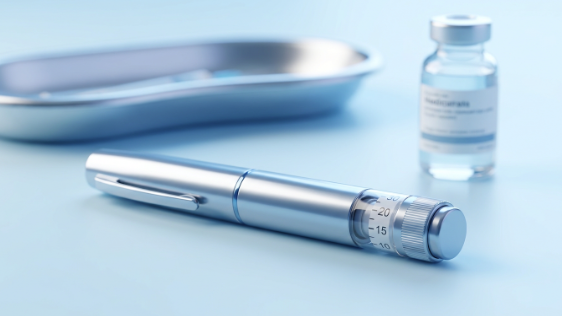
If a dose was improvised rather than selected, the first monitoring problem is that nobody knows what was given. Every judgment that follows, whether a symptom is expected, whether it should be improving, whether the next dose should change, rests on knowing the amount. An unrecorded quantity removes the reference point the whole process depends on.
Uncertainty is the monitoring failure, not the symptom
Standard follow-up during semaglutide titration is a comparison exercise. A prescriber asks whether nausea is settling at a steady amount or worsening after an increase, and the answer means something because both variables are known. Replace the amount with an estimate and the comparison stops working. The clinical question becomes unanswerable at exactly the point it matters.
This is why the instructions for use insist on the dose counter as the only readout of milligrams, and why a pen that cannot deliver a full dose is meant to be replaced rather than emptied. The device is a record-keeping instrument as much as a delivery one.
Where that record lives varies by provider, which is worth checking before starting. Manufacturer routes such as NovoCare and LillyDirect keep dispensing records tied to a prescription written elsewhere, while online providers such as Ro, Found, and HealthRX hold both the prescription and the follow-up thread for Ozempic in one place. Knowing who has the original amount on file is what makes a later monitoring question answerable.
What the labeled warnings actually cover
The warnings section for the diabetes product runs longer than most patients realize, and several entries have nothing to do with nausea. Pancreatitis. Diabetic retinopathy complications in people with type 2 diabetes. Hypoglycemia when combined with insulin or an insulin secretagogue such as a sulfonylurea. Acute kidney injury from volume depletion. Severe gastrointestinal adverse reactions. Hypersensitivity reactions. Acute gallbladder disease. Pulmonary aspiration during general anesthesia or deep sedation, which is why an anesthesia team needs to know the drug is being taken before any procedure.
The weight management product carries a similar set with an added warning about heart rate increase. Both carry the boxed warning about thyroid C-cell tumors observed in rodents, and both are contraindicated in anyone with a personal or family history of medullary thyroid carcinoma or with multiple endocrine neoplasia syndrome type 2.
| What is observed | Usual pattern | Pattern that warrants contact |
|---|---|---|
| Nausea | Worst in the days after an increase, easing at a steady amount | Keeps intensifying, or prevents keeping fluids down |
| Vomiting or diarrhea | Intermittent, short-lived | Persistent enough to cause dehydration or reduced urine output |
| Abdominal pain | Mild, related to meals | Severe, persistent, radiating to the back, with or without vomiting |
| Low blood sugar | Not expected on semaglutide alone | Any episode in someone also taking insulin or a sulfonylurea |
| Vision change | Not expected | New or worsening vision change in someone with retinopathy |
Red flags that justify same-day contact
Severe abdominal pain that persists, particularly with vomiting or radiating to the back. Vomiting that has stopped fluid intake for more than a day. Signs of an allergic reaction. Sudden vision change. Right upper abdominal pain with fever or jaundice. Any hypoglycemia episode on combination therapy. None of these wait comfortably for the next scheduled appointment, and the practical question is whether a route exists to raise them quickly.
What accidental overdose reports look like
Poison center data give a picture of what happens when the amount goes wrong. A characterization of GLP-1 receptor agonist exposures reported to a single United States poison center described a caseload dominated by dosing errors rather than deliberate ingestion. A published case report of a massive accidental semaglutide overdose documented prolonged dysesthesia lasting well beyond the acute episode.
The duration is the part people underestimate. Semaglutide is designed for once-weekly administration because it clears slowly, so an excessive amount is not something that resolves overnight. The mechanism responsible for the sustained therapeutic effect is also responsible for a sustained adverse one, and that is a reason to report a suspected error promptly rather than waiting to see whether it settles.
Compounded preparations shift the monitoring burden
A pharmacovigilance analysis of compounded GLP-1 receptor agonists using the FDA adverse event reporting system found dosing and administration errors featuring prominently among reports involving these preparations. That fits the structural difference: a compounded vial has a concentration chosen by the pharmacy, no agency-reviewed labeling, and no dose selector doing the measuring. FDA has published its concerns about unapproved versions of these drugs marketed for weight loss.
Monitoring a compounded preparation therefore depends more heavily on the prescriber and the pharmacy record than on anything printed on a carton, because the reference document most people would reach for does not exist.
Who answers between appointments
Response time is the variable that turns a red flag into a resolved issue or an emergency department visit. Endocrinology and primary care practices differ enormously on this. Manufacturer channels such as NovoCare Pharmacy and LillyDirect handle dispensing rather than clinical questions. Telehealth programs including Ro, Hims & Hers, LifeMD, and FormBlends publish monthly cash prices that bundle follow-up contact differently, and whether an urgent message reaches a prescriber the same day is worth establishing before it is needed rather than during a weekend.
The same applies to whether the person answering has access to the original prescription record. A message thread with no record attached is a slower conversation than it looks.
Frequently asked questions
How long should symptoms last after an increase?
Typically worst in the first days after a step and settling over the following weeks at a steady amount. Symptoms that keep worsening, or that show no improvement at all, are the ones worth reporting rather than waiting out, because they can indicate a problem other than adjustment.
Is low blood sugar expected on semaglutide?
Not on its own. It becomes a real risk when semaglutide is combined with insulin or an insulin secretagogue, and the labeling flags that combination specifically. The usual response is adjusting the other agent, which is a prescriber decision and not something to manage by altering the injection.
Does an anesthesia team need to be told?
Yes. The labeling includes a warning about pulmonary aspiration during general anesthesia or deep sedation, connected to delayed gastric emptying. Anyone scheduled for a procedure involving sedation should raise it in advance so the team can plan, including any relevant fasting adjustment.
What information helps most after a suspected dosing error?
The product name and presentation, what the container label said, the amount believed to have been given, the time it happened, and the symptoms since. Specificity changes the assessment. Vague accounts of an unmeasured amount leave the prescriber estimating alongside the patient.