Crypto lending and borrowing involve lenders supplying assets to borrowers in exchange for interest, enabling crypto accrual with counterparty and liquidity risk. Interaction relies on collateral, transparent terms, and smart-contract enforcement to curb fraud. Costs and rewards hinge on utilization, rate volatility, and borrower quality, balancing yield against risk. For practitioners, disciplined risk controls, diversification, and ongoing monitoring are essential, yet the landscape remains nuanced as new protocols and audits shift the risk profile. A closer look reveals where margins stand and what drives capital efficiency.
What Is Crypto Lending and Borrowing?
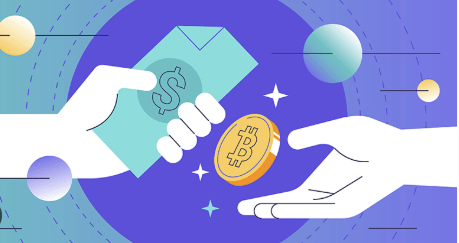
Crypto lending and borrowing are financial activities within cryptocurrency markets where holders lend assets to borrowers in exchange for interest, typically facilitated by centralized platforms or decentralised protocols.
The mechanism enables crypto interest accrual while risk dynamics shift toward counterparty exposure and market liquidity.
Observers note collateral risk; effective terms hinge on collateralization, loan-to-value limits, and stress-testing of liquidations under volatility.
How Lenders and Borrowers Interact Securely
How do lenders and borrowers interact securely in crypto lending and borrowing? The process hinges on lender security, built through collateralization, transparent loan terms, and automated enforcement via smart contracts.
Borrower verification ensures identity, creditworthiness, and risk alignment. Platforms deploy risk scoring, on-chain audits, and multi-factor authentication to minimize fraud, preserving liquidity while enabling confident, permissioned participation for freedom-seeking investors.
Costs, Risks, and Rewards That Define the Play
Costs, risks, and rewards define crypto lending and borrowing as a balance sheet game: lenders seek yield commensurate with risk, borrowers pursue access to liquidity with acceptable collateral and terms, and platforms align incentives through automated enforcement and transparent metrics.
Risk assessment informs pricing, while liquidity management underpins margin health, exit options, and capital efficiency in evolving markets.
How to Start Wisely: Steps, Tools, and Tips
Lining up the prior discussion of costs, risks, and rewards with practical execution, the opening steps to prudent crypto lending and borrowing emphasize disciplined setup, verifiable data, and transparent tooling. Practitioners implement volatility management through position sizing, stress tests, and stop mechanisms while tracking lending metrics like utilization, rate stability, and borrower quality. The approach combines risk discipline with data-driven decision-making for freedom-driven participation.
See also: Next-Gen Gaming Experiences
Frequently Asked Questions
What Happens to Collateral During Extreme Crypto Market Crashes?
During extreme crashes, collateral may fall below loan value, triggering liquidations; lenders apply collateral volatility assessments and haircut mechanisms to protect positions, potentially wiping equity. Structural risk remains, liquidity crunches can intensify losses and force forced exits.
How Are Liquidations Triggered and Executed in Practice?
In liquidations, 1)4% of loans trigger within minutes during spikes, illustrating volatility. The collateral framework and risk governance determine thresholds, auction mechanics, and post-liquidation asset recovery. These processes ensure orderly deleveraging while preserving lender confidence and market integrity.
Can Borrowers Lose More Than Their Collateral in Some Protocols?
Yes, in some protocols borrowers can incur losses beyond collateral, depending on liquidation mechanics and dynamic debt accrual; robust borrower protections and protocol risk assessments are essential for evaluating overall risk and governance resilience.
Do Lending Platforms Share Default Data and Statistics Publicly?
A hypothetical case shows a platform publishing default rates; some do, others restrict. Many adhere to privacy controls while pursuing data transparency, but publicly shared statistics vary, reflecting regulatory, competitive, and risk-management considerations.
What Tax Implications Accompany Crypto Lending and Interest Income?
Interest income from crypto lending is generally taxable, with tax reporting requiring accurate income recognition and cost basis adjustments; tax treatment varies by jurisdiction, necessitating careful recordkeeping, potential self-employment or ordinary income classifications, and diligence for compliant tax reporting.
Conclusion
Crypto lending and borrowing operate at the intersection of yield, risk, and transparency. Secure frameworks—collateralization, smart-contract enforcement, and credible risk assessments—frame prudent participation, while fees, utilization, and borrower quality drive margin stability. Real-world case studies, such as a well-collateralized DeFi loan with liquidations during a volatility spike, illustrate both resilience and danger. Hypothetically, a diversified lender basket that tracks collateral quality and stress-tested scenarios can sustain liquidity and preserve capital through cycles. Caution, discipline, and data-driven monitoring remain essential.